
Fun Recycling Projects for Kids: Easy DIY Activities to Teach Sustainability at Home
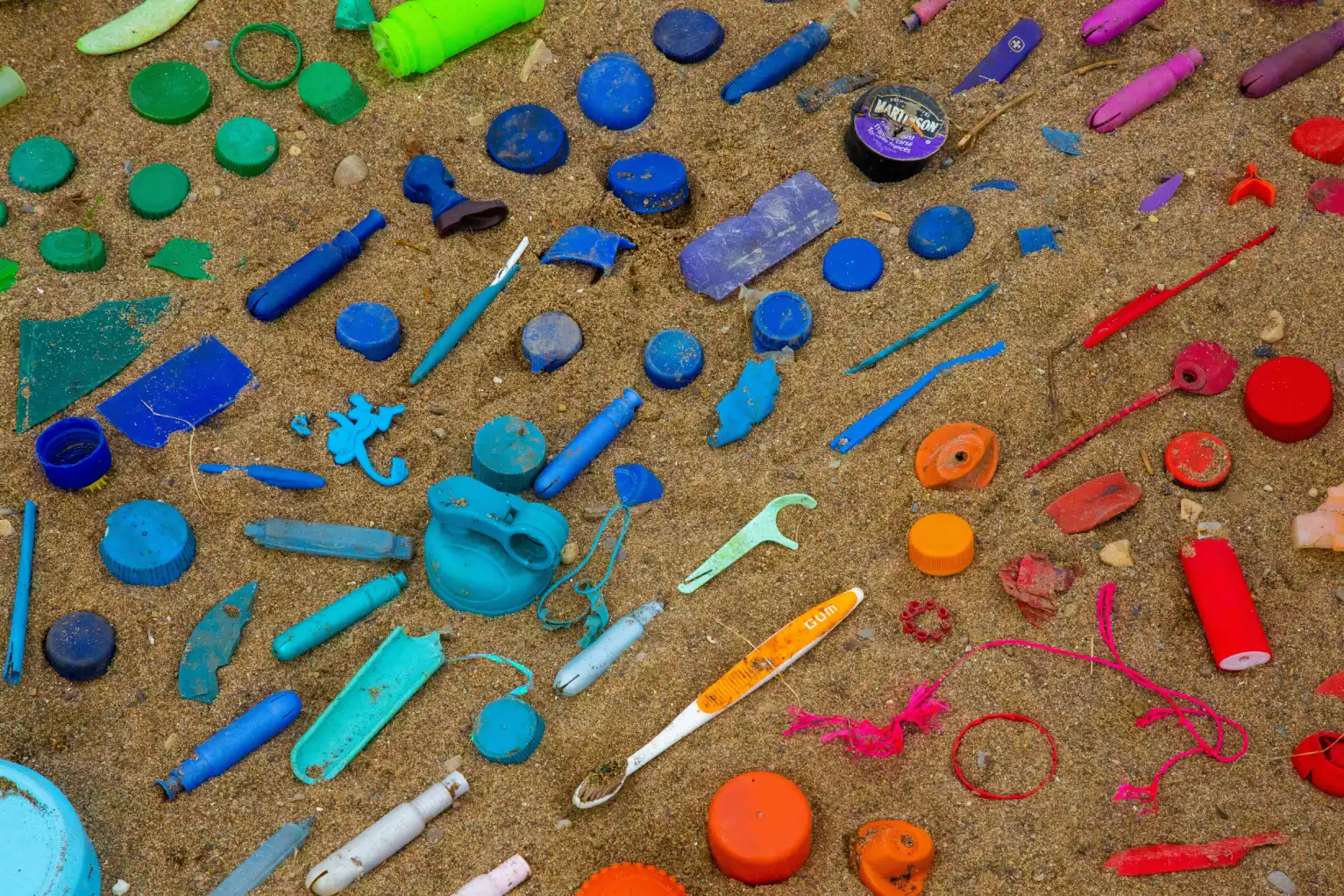
Children who learn to care for the planet early carry those values with them for life. And one of the most engaging ways to teach environmental responsibility is not through lectures or documentaries — it is through hands-on, creative projects that turn household waste into something new, useful, or simply fun.
Recycling projects for kids do several things at once. They build environmental awareness, develop fine motor and creative skills, encourage problem-solving, and offer children a genuine sense of agency: the empowering feeling that their actions actually matter to the world they live in.
Many families associated with best international schools in bangalore find that schools with strong sustainability programmes inspire children to bring these same principles home, turning everyday waste into creative learning opportunities.
Here are some of the most effective, accessible, and genuinely enjoyable recycling projects families can try together.
Why Recycling Projects Work So Well for Children
There is something particularly motivating about making something out of nothing. When children see an empty cardboard box, a toilet roll, or a pile of newspaper not as rubbish but as raw material, they develop both creative confidence and environmental literacy at the same time.
Recycling projects also have a natural built-in lesson: resources are valuable, waste is a choice, and creativity can find use in almost anything. These are not abstract environmental concepts when a child has literally made a toy or tool from something that was about to be thrown away.
Project 1: Cardboard Box City or Castle
Collect cardboard boxes of different sizes — cereal boxes, shoeboxes, delivery packaging — and let children design and build their own city, town, or castle. Tape boxes together, cut out windows and doors, paint or decorate with scrap paper and bottle tops.
This project builds spatial reasoning, planning skills, and creative thinking, and can evolve over days or weeks as children add to their creation. It requires no purchased materials and uses household waste that would otherwise go directly into recycling.
Project 2: Plastic Bottle Bird Feeder
A clean plastic bottle, a wooden spoon, some string, and birdseed are all that is needed to create a functioning bird feeder.
- Cut small holes in the bottle for the spoon to pass through horizontally
- Birds perch on the handle and eat from the spoon bowl
- Fill the bottle with birdseed through the top
- Hang it in the garden or from a balcony railing
This project teaches children that plastic, rather than being discarded, can serve a second purpose — and introduces them to the local ecosystem through birdwatching, a gentle, science-linked extension activity.
Project 3: Newspaper Seed Pots
Rolled newspaper forms excellent biodegradable seed pots. Children roll and fold strips of newspaper around a small bottle or glass to form a tube, fold the base closed, and fill with soil.
These pots can be planted directly into the ground when seedlings are ready — the newspaper decomposes naturally, causing no waste whatsoever. This project combines recycling with gardening and the science of plant life cycles.
Schools among the ib schools in bangalore that run sustainability-focused programmes often incorporate activities like this as part of their environmental education units, and parents who extend these projects at home reinforce the learning in a meaningful, tactile way.
Project 4: Egg Carton Garden Animals
Egg cartons are among the most versatile craft materials available. Individual cups can be cut apart and transformed into caterpillars, frogs, flowers, owls, or any creature a child can imagine, using paint, pipe cleaners, googly eyes, and scraps of fabric.
This project is particularly well-suited to younger children and can be adapted endlessly.
It develops fine motor skills, colour mixing understanding, and creative expression — all from material that is almost universally available in most households.
Project 5: Tin Can Desk Organisers
Washed and dried tin cans make excellent pencil and stationery holders. Children can decorate them with paint, washi tape, cut paper, or fabric scraps.
For older children, this can extend into a discussion about the energy and resources saved by recycling aluminium, and what happens to tin cans that end up in landfill. The functional end product — something the child actually uses on their desk — reinforces the connection between creativity and sustainability.
Families near ib schools in begur road and similar environmentally-conscious school communities often find that these home projects spark classroom conversations when children bring their creations in or share what they made during school discussions about sustainability and design.
Project 6: Magazine Collage Art
Old magazines, brochures, and junk mail provide a rich visual resource for collage art. Children cut out colours, textures, shapes, faces, and objects to create entirely new compositions.
This project builds visual thinking, scissor skills, and an understanding of composition. It also naturally sparks conversations about media, advertising, and the lifecycle of printed material — layered, age-appropriate sustainability thinking for older children.
Making Sustainability a Family Conversation
The projects above are more powerful when accompanied by age-appropriate conversation about why they matter. This does not need to be heavy or anxiety-inducing — in fact, research suggests that framing sustainability positively (what we can do) rather than catastrophically (what will happen if we don't) is far more effective in building lasting environmental values in children.
Ask questions like:
- 'What else could we make with this before we throw it away?'
- 'Where do you think this goes when we put it in the bin?'
- 'What would happen to this plastic if it ended up in the ocean?'
Schools listed among ib schools in bannerghatta road and surrounding communities increasingly treat sustainability as a cross-curricular theme — woven through science, design, and social studies — rather than a one-off unit. Families who make these same connections at home send children to school with a more integrated and personal understanding of environmental responsibility.
Conclusion: Small Makers, Big Values
Teaching children about sustainability through fun recycling projects is one of the most effective approaches available, precisely because it is experiential rather than instructional. A child who has turned a cereal box into a city, or a newspaper into a seed pot, understands at a felt level that materials have value — and that thoughtful choices about waste make a real difference.
These projects cost almost nothing, require no specialist skills, and produce both a tangible output and a meaningful conversation. That is a rare combination in environmental education — and one that is well worth building into regular family life.
Quick answers