

How to Build Early Reading Habits: Simple Ways to Help Your Toddler Love Books
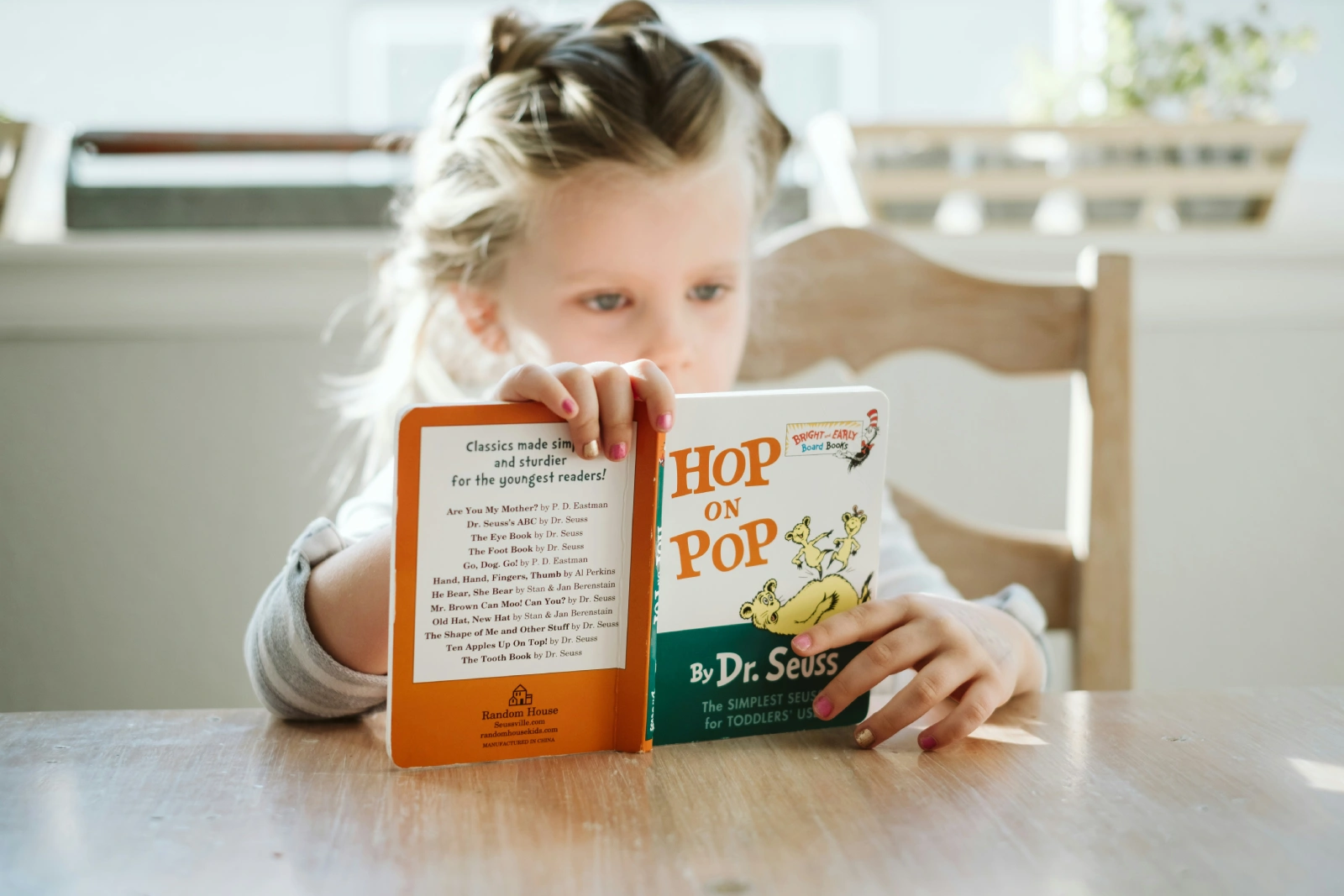
Every child who grows up to love reading began somewhere. Not in a formal classroom, and not through phonics drills, but in quiet, unhurried moments: a parent's voice at bedtime, the ritual of choosing a book, the warmth of a shared story. These early experiences are where the relationship with reading begins — long before letters are recognised and words are decoded.
Building genuine reading habits in toddlers is one of the most impactful gifts a family can offer. The research is consistent: children who develop a love of books in the early years enter school with larger vocabularies, stronger comprehension, better attention spans, and a significantly higher likelihood of becoming confident, lifelong readers.
Families considering international schools in bangalore that value academic preparation alongside genuine love of learning will find that the earliest investment they can make is not flashcards or letter tracing, but a daily reading routine built around warmth, choice, and joy.
Here are the most effective, low-pressure ways to make books a natural part of a toddler's daily life.
Start With What Your Child Is Drawn To
One of the most common mistakes parents make is choosing books they think are educational rather than books their child is actually interested in. A toddler who loves buses will engage far more deeply with a book about buses than with a carefully curated vocabulary-building picture book they find dull.
Follow interest relentlessly. If your child is fascinated by dogs, find every dog-related book available. If they love diggers, construction, or butterflies, build your book collection around those obsessions. Interest is the most powerful reading motivator that exists at any age.
Make Books Physically Accessible
Children engage with what they can reach. If books are stored in a closed box on a high shelf, they will not organically become part of a toddler's play and daily routine. If books are at eye level, on low shelves, in baskets near play areas, they become part of the landscape of daily life.
- Keep a small rotating selection visible and accessible in the main play area
- Place a few books next to the bed as a natural cue for bedtime reading
- Carry a book in your bag for waiting rooms, car journeys, and cafe trips
Accessibility also signals value. When books are part of the physical environment — visible, available, treated with care — children absorb the message that they matter.
Establish a Reading Routine at the Same Time Each Day
Consistency creates habit. A reading routine that happens at a predictable time — before nap, before bed, after lunch — builds both anticipation and expectation. The child begins to look forward to it as a reliable, pleasant part of their day.
Even ten to fifteen minutes is sufficient. A short, enjoyable daily reading session is far more effective than occasional longer sessions that feel like effort. The goal at this stage is positive emotional association, not coverage.
Schools ranked among the best international schools in bangalore by families consistently report that children who arrive at school with established home reading routines adapt more easily to literacy-rich classroom environments — the habit itself is part of what helps.
Read Aloud With Expression and Engagement
The way a book is read matters as much as the book itself. A flat, monotone reading of even the best picture book will not hold a toddler's attention or build the warm emotional associations that fuel reading love.
- Use different voices for different characters
- Slow down at exciting or suspenseful moments
- Point at pictures and name what is happening
- Pause to ask simple questions: 'What do you think will happen next?'
- Let your child set the pace — turn back to pages they are interested in, skip ahead if they ask to
The conversation that happens around the book is often where the richest language development takes place. A child who is actively discussing the story, making predictions, and connecting the narrative to their own life is building comprehension skills that will underpin reading for the rest of their schooling.
Embrace Repetition Without Frustration
Most parents of toddlers know the experience of reading the same book fifteen times in a single week. This is not a problem — it is how toddlers learn. Repetition allows children to absorb new vocabulary at a deeper level, predict narrative structure, and build mastery over a story that grows their confidence.
When a child can 'read' a familiar book from memory, reciting the words as they turn the pages, they are not just being adorable. They are practising the foundational pre-reading behaviour of connecting words to meaning. Celebrate it.
Visit the Library Regularly
Libraries offer something that even the best home bookshelf cannot: an environment where books are clearly important to many people, where the child has genuine agency to choose, and where the experience of selecting and borrowing a book builds ownership and anticipation.
Even young toddlers respond to the special feeling of a library visit. Returning borrowed books and choosing new ones creates a natural reading ritual that extends beyond the home.
Parents exploring options at ib schools in electronic city and nearby areas will often find that schools with strong literacy cultures host regular library sessions as a core part of the school week, recognising that the relationship with books must be cultivated actively, not assumed.
Let Your Child See You Reading
Children are sophisticated observers of what adults actually value. When a child regularly sees parents and caregivers choosing to read — books, magazines, newspapers — they receive a powerful and consistent message: reading is something adults do because they enjoy it, not just something children are made to do.
Even spending ten minutes reading silently alongside your child creates a shared, peaceful experience that reinforces reading as a valued family activity.
Among the many ways families connected to top ib schools in bangalore support their children's academic development, modelling a genuine love of reading is one of the simplest and most effective — and it costs nothing at all.
Conclusion: Small Moments, Lasting Habit
Building early reading habits in a toddler does not require special qualifications or elaborate activities. It requires consistency, warmth, and a genuine delight in sharing stories. The daily bedtime book, the library trip, the shelf of accessible picture books, the read-aloud voice that rises and falls with the story — these small, ordinary moments accumulate into something extraordinary.
Children who grow up in households where reading is a pleasure, not a chore, carry that relationship with them through every stage of their education and beyond.
Quick answers