

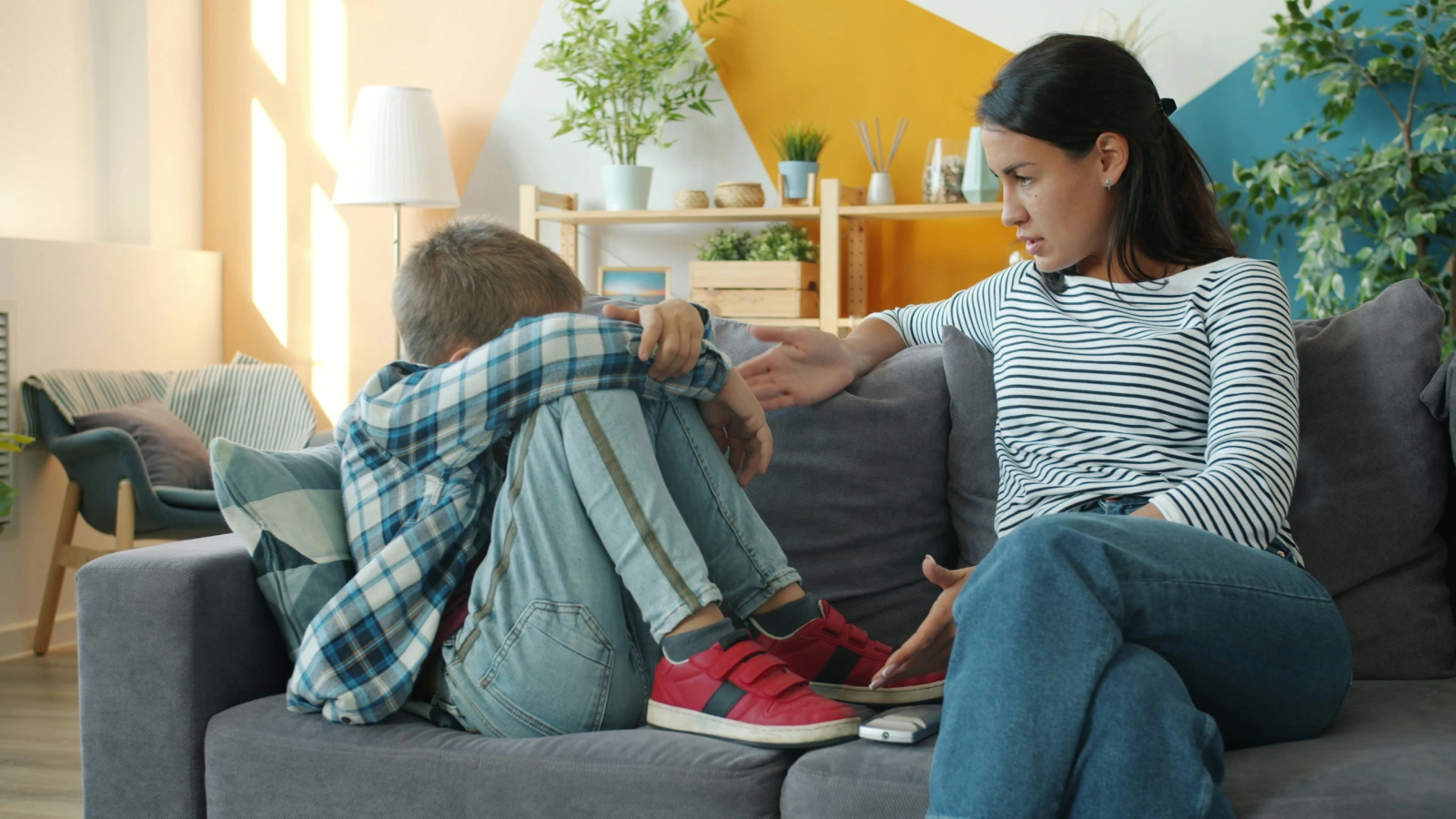
Introduction
Ask your parents how they were raised, and you’ll likely hear stories that sound almost unrecognisable by today’s standards — children playing unsupervised until dark, few conversations about feelings, and discipline delivered with unwavering authority. Today’s parents, by contrast, research sleep schedules, track developmental milestones on apps, and negotiate bedtime routines with toddlers.
How parenting styles have changed across generations is not just a fascinating sociological question — it is deeply relevant to every family navigating the tension between tradition and modern child development science. Understanding this evolution can help today’s parents take the best from every era.
Schools are a useful lens for this shift too. Many international schools in bangalore now actively partner with parents on child development, offering workshops, counselling resources, and communication platforms that reflect a fundamentally different vision of the parent-school-child relationship than existed two generations ago.
A Brief History: How Parenting Styles Have Changed Across Generations
The Silent Generation (1930s–1940s): Authority Without Explanation
Parenting in this era was characterised by clear hierarchies, unquestioned authority, and the firm belief that children should be “seen and not heard.” Emotional expression was discouraged, physical punishment was common and largely accepted, and children were expected to contribute to family labour from a young age.
The positives: children of this era developed remarkable resilience, a strong work ethic, and community interdependence. The cost: emotional expression was suppressed, and mental health struggles were rarely acknowledged or addressed.
Baby Boomers (1950s–1960s): Permissive Freedom and Post-War Optimism
Post-war prosperity brought a new optimism to family life. Boomer parents enjoyed more economic stability than their own parents, and many gave their children greater freedom than they had experienced. This was the era of free-range childhoods, neighbourhood play, and a relative absence of structured enrichment activities.
The concept of structured schooling was also evolving during this period. While icse schools in bangalore represent an educational legacy that took root in this era, with their emphasis on rigorous academics and disciplined learning, the parenting culture at home was becoming more relaxed.
Generation X Parents (1970s–1980s): Latchkey Kids Who Grew Into Helicopter Parents
Gen X children are often called the “latchkey generation” — they came home to empty houses, figured out problems independently, and generally received less adult supervision than any generation before or since. Paradoxically, when they became parents themselves, many Gen X adults swung in the opposite direction, becoming highly involved, schedule-driven, and academically focused.
This generation also witnessed the rise of formalised parenting research and the mainstream adoption of developmental psychology — books by Penelope Leach and Benjamin Spock shaped their approach significantly.
Millennial Parents (1990s–2000s): The Rise of Conscious and Intentional Parenting
Millennial parents are arguably the most research-informed generation in parenting history. They read peer-reviewed studies, follow child psychologists on social media, use developmental apps, and are deeply committed to understanding — and respecting — the emotional world of their children.
This generation’s parenting philosophy aligns closely with the philosophy of many ib schools in bangalore: inquiry-based, child-centred, focused on the whole child rather than just academic outcomes. The IB framework’s emphasis on learner profiles — being caring, reflective, principled — resonates deeply with millennial parenting values.
Gen Z Parents (2010s–Present): Digital Natives Raising Digital Natives
The youngest generation of parents — those born in the mid-1990s to early 2000s — are navigating parenthood in an entirely new context: with social media, constant connectivity, and an information overload that previous generations never experienced. They simultaneously have access to more parenting resources than ever before, while also facing more parenting pressures and comparisons.
Choosing the right educational environment has become a central parenting decision. Many Gen Z parents research schools extensively, and best international schools in bangalore have responded with detailed websites, virtual tours, parent testimonials, and transparent communication about their pedagogical approach — meeting parents exactly where they are.
Key Shifts in Parenting Across Generations
From Authority to Partnership
Perhaps the most fundamental shift is the move from an authoritarian model — where parents commanded and children obeyed — to an authoritative or partnership model, where parents set clear boundaries while also explaining reasoning, listening to children’s perspectives, and negotiating age-appropriate choices.
Research consistently shows that authoritative parenting produces children with higher self-esteem, better academic outcomes, and stronger emotional regulation than either permissive or authoritarian approaches.
From Punishment to Positive Discipline
Physical punishment has declined significantly across generations as research on its psychological impact has become mainstream. Today’s parents largely favour natural consequences, time-outs, empathetic correction, and collaborative problem-solving. Many schools in bannerghatta road apply the same principles in their behaviour management frameworks, creating a consistent experience for children between home and school.
From Academic Focus to Holistic Development
Earlier generations measured parenting success largely through academic achievement and career outcomes. Today’s parents — and progressive schools — understand that emotional intelligence, resilience, creativity, and interpersonal skills are equally important for a child’s lifelong success. The metrics of “good parenting” have broadened significantly.
From Nuclear Family Models to Diverse Structures
The definition of family has shifted dramatically across generations. Single parents, same-sex parents, co-parents, multigenerational households, and blended families are all recognized as valid and capable of producing thriving children. Parenting advice and school policies have evolved to reflect and respect this diversity.
What Can Modern Parents Learn From Past Generations?
Every generational parenting style had strengths worth preserving:
- From the Silent Generation: Resilience, respect for hard work, and community responsibility
- From Baby Boomers: The value of unstructured play, freedom, and self-directed exploration
- From Gen X: Independence, problem-solving, and the ability to self-regulate
- From Millennial parents: Emotional attunement, intentionality, and research-informed practice
The wisest parenting approach borrows from all eras — firm enough to provide security, warm enough to build connection, and flexible enough to adapt to each child’s unique needs.
For parents in South Bangalore building this balance, schools in electronic city offer parent education programmes that connect current research with practical, day-to-day parenting strategies.
Conclusion
Understanding how parenting styles have changed across generations is not an exercise in nostalgia or self-criticism — it is a powerful tool for becoming a more conscious, effective parent. Each generation has passed something valuable forward, and each has also left something behind. Today’s parents are uniquely positioned to draw on the entire history of parenting wisdom, filtered through the best current research in child development.
The goal was never perfection — it has always been connection, consistency, and love. That part, at least, has never changed.
Quick answers